
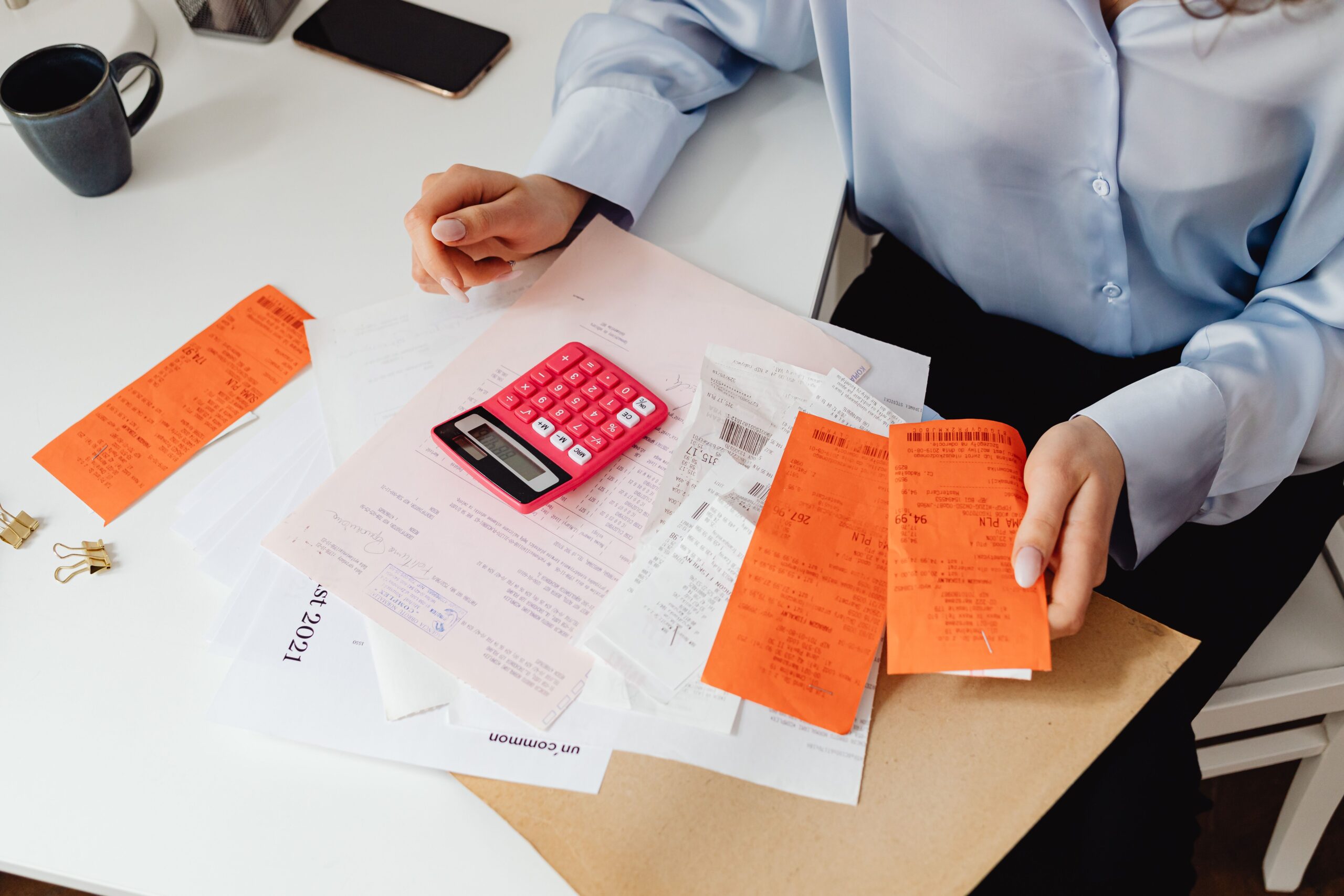
Bookkeeping and accounting get used almost interchangeably in casual conversation, which makes it genuinely hard to know what you’re actually paying for when a provider quotes a price for one or the other. They’re related, but distinct, and knowing the difference helps you buy the right service.
Direct answer: bookkeeping services cover the ongoing recording and organising of financial transactions, invoices, expenses, bank reconciliation, keeping your financial records accurate and current. Accounting builds on that foundation with tax returns, financial reporting, and strategic advice. Most small businesses pay £20 to £55 an hour for bookkeeping, or £120 to £500 a month for an ongoing service, depending on transaction volume.
What bookkeeping actually covers
- Recording transactions. Every sale, purchase, and expense logged accurately and consistently.
- Bank reconciliation. Matching your recorded transactions against your actual bank statements to catch errors or discrepancies.
- Invoice management. Issuing invoices, tracking what’s been paid, and following up on what hasn’t.
- Expense tracking. Keeping a clear, organised record of business expenses, essential for accurate tax reporting.
- Basic financial reports. Simple summaries like profit and loss statements, giving you a current picture of your business’s finances.
How bookkeeping differs from accounting
| Bookkeeping | Accounting |
|---|---|
| Ongoing, day-to-day transaction recording | Periodic reporting, tax returns, strategic advice |
| Keeps financial records accurate and current | Uses those records to file taxes and advise on decisions |
| Doesn’t require formal accounting qualifications | Often involves a qualified, chartered professional |
| Typically cheaper, billed hourly or monthly | Typically more expensive, reflecting deeper expertise |
Many small businesses use both: a bookkeeper handling the ongoing recording, with an accountant using that clean data to file returns and provide advice. Our guide on accountant costs for small business covers the accounting side specifically.
Why accurate bookkeeping matters
Beyond simply knowing where your money is going, accurate, current bookkeeping is what makes tax filing straightforward rather than a stressful scramble. It also gives you real-time visibility into your business’s financial health, which matters for everyday decisions, not just the annual tax return.
DIY versus hiring a bookkeeper
DIY bookkeeping using cloud accounting software works reasonably well for a very simple business with low transaction volume and the time to stay consistently on top of it. Modern software has made this considerably more accessible than it once was.
Hiring a bookkeeper makes sense once transaction volume grows, your time is better spent elsewhere in the business, or you want the reassurance of a second pair of eyes catching errors before they compound.
Typical UK bookkeeping costs
| Service level | Typical cost |
|---|---|
| Hourly bookkeeping | £20 to £55 per hour |
| Monthly bookkeeping service, low transaction volume | £120 to £250 per month |
| Monthly bookkeeping service, higher transaction volume | £250 to £500 per month |
What to look for in a bookkeeping service
- Familiarity with your accounting software, or a willingness to set you up properly on one that fits your business
- Regular, predictable updates, not just an annual scramble before tax season
- Clear communication about what’s included, since some providers add reconciliation, reporting or invoicing as separate, billable extras
- A genuine understanding of current requirements, including digital tax reporting obligations that continue to evolve
FAQs
What’s the difference between a bookkeeper and an accountant? A bookkeeper handles the ongoing recording of financial transactions, keeping your records accurate and current. An accountant uses those records for tax filing, financial reporting and strategic advice, and typically holds formal qualifications.
How much does a bookkeeper cost for a small business? Most small businesses pay £20 to £55 an hour, or £120 to £500 a month for an ongoing service, depending on transaction volume and complexity.
Can I do my own bookkeeping instead of hiring someone? Yes, particularly for a simple business with low transaction volume, using modern cloud accounting software. As transaction volume grows, many businesses find hiring a bookkeeper saves more time and stress than it costs.
Do I need both a bookkeeper and an accountant? Not always, some accountants include basic bookkeeping in their service. For businesses with higher transaction volume, using a dedicated bookkeeper alongside an accountant is common, since it divides the ongoing recording from the periodic filing and advisory work.